


What are faculty positions?
Faculty positions are academic roles within colleges, universities, or other academic institutions that advance the organization’s core mission of teaching, research, and service. Individuals in these positions contribute to the creation and dissemination of knowledge through scholarly inquiry and publication; support student learning by designing and delivering high-quality instruction; and strengthen their academic communities through mentorship, program development, and professional service.
While some faculty roles emphasize research excellence and grant-funded scholarship, others focus on teaching and pedagogical leadership, and many blend both areas. Across all types, faculty members play a central role in shaping intellectual life, fostering inclusive learning environments, and contributing to the academic reputation and strategic goals of their institutions.
Explore Research & Teaching Faculty Roles
Discover what it means to work in research and teaching faculty roles and the common qualifications and application requirements!
An Assistant/Associate/Full Professor (Research Stream) is an academic leader whose primary role is to conduct and advance scholarly research. They design and oversee independent or collaborative research programs, secure external funding through competitive grants, and disseminate new knowledge through publications, presentations, and conferences. Research faculty play pivotal roles in driving innovation and contributing to a university’s or research institute’s scholarly missions.
In addition to research, they mentor graduate students, postdoctoral researchers, and other trainees, provide guidance on experimental design, critical thinking, and career development. Research faculty often collaborate across departments and institutions, as well as with industry, government, and community partners, to address complex questions and real-world challenges. While classroom teaching responsibilities may be limited compared to teaching-stream faculty, research faculty contribute meaningfully to training and education through supervision and specialized instruction.
Overall, research faculty are essential to expanding knowledge, fostering interdisciplinary collaboration, and translating discoveries into meaningful impact within and beyond the institution.
Common Qualifications:
- Doctor of Philosophy (PhD) in a related discipline.
- Requirement of postdoctoral experience varies. Most postings note it as a requirement, but minimum years are not always explicit.
- Proven track record of high-quality scholarly research leading to peer-assessed publications.
- Demonstrated or strong potential to establish and sustain an independent and externally fundable research program.
Common Application Requirements:
- Cover letter or statement of interest outlining fit for the position.
- Comprehensive curriculum vitae summarizing academic qualifications and achievements.
- Research statement detailing proposed research agenda and expected contributions.
- Statement of teaching interest/philosophy or teaching dossier.
- Equity, diversity, and inclusion (EDI) statement demonstrating commitment to inclusive academic practices.
- Academic references able to assess potential.
An Assistant/Associate/Full Professor (Teaching Stream) is a faculty member whose primary role is teaching excellence and education leadership rather than traditional research outputs (i.e., publications, grant funding, and graduate student supervision).
Their core responsibilities typically include preparing and delivering lectures, the design, implementation, and continuous improvement of curricula; and the development of instructional materials, including blended and fully online learning materials. Teaching Stream Professors are also deeply involved in assessing student learning, employing evidence-based teaching practices, and adapting instructional approaches to support diverse learners and inclusive classrooms.
In addition to classroom teaching, these faculty members provide academic mentorship and supervision to undergraduate and, in some cases, graduate students, offering guidance on academic progress, professional development, and experiential learning opportunities. They often contribute to program coordination and the alignment of course offerings with institutional learning outcomes.
Together, Teaching Stream Professors play a vital role in enhancing the overall student experience and advancing the university’s teaching mission.
Common Qualifications:
- Doctor of Philosophy (PhD) in a relevant discipline.
- Requirement of postdoctoral experience varies. May be required or an asset depending on institutional expectations.
- Demonstrated record of teaching excellence at a degree-granting institution, including lecture design and delivery, curriculum development, creation of online learning materials, and mentorship or supervision of undergraduate research students.
Common Application Requirements:
- Cover letter or statement of interest outlining fit for the position.
- Comprehensive curriculum vitae summarizing academic qualifications and achievements.
- Comprehensive teaching dossier that includes a teaching statement, teaching evaluations, workshops and professional development programs attended or led, publications related to pedagogy, and a writing sample.
- Equity, diversity, and inclusion (EDI) statement demonstrating commitment to inclusive teaching practices.
- Academic references able to assess teaching potential.
Resources to help you land a faculty position
Embarking on a career as a research or teaching faculty is an exciting journey filled with opportunities to learn, teach, discover, and lead. Explore the resources below to help you navigate the complexities of this career path – from preparing to competitive applications and crafting research statements, to building teaching portfolios and connecting with others on a similar path.
Access essential resources to support you at every stage of your journey toward a successful faculty appointment!
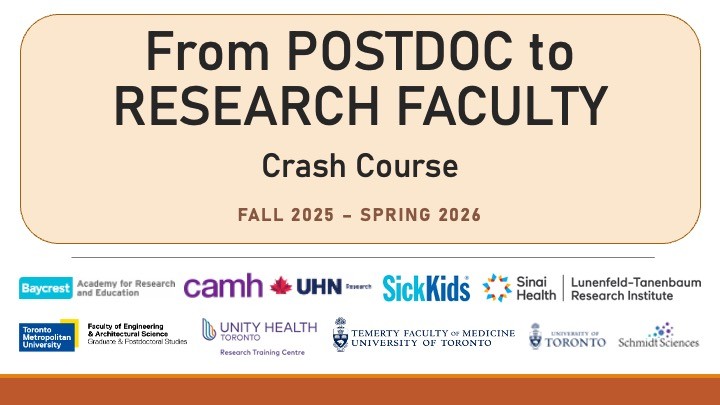
The From Postdoc to Research Faculty Crash Course provides comprehensive support and training for postdoctoral researchers as they begin their journey toward applying for and securing a research faculty position. The program covers a broad range of professional development topics, including CVs and cover letters, research statements, interviewing, chalk talks, and more, and is delivered through both virtual and in‑person sessions.
The University of Toronto’s “Developing Your Teaching Dossier” series is a four-module series for graduate students and postdoctoral researchers exploring strategies to reflect on their teaching and develop their teaching dossier.
The University of Toronto Centre for Teaching Support & Innovation’s “Building Your Teaching Dossier” resource provides guidance on creating a clear, well-organized document that highlights teaching philosophy, experience, goals, and evidence of effectiveness. It explains the key components of a strong dossier and offers advice on structuring materials and reflecting on individual teaching practices.
The “Future PI Slack” group is an informal peer mentoring group for biomedical postdocs who are interested in staying in academia. The group is used to communicate about grant applications, conferences, the faculty job search, and other related topics.
The McGill University Career Planning Service’s Academic Career Resources is a comprehensive resource providing guidance, examples, and articles on CVs and Resumes, Cover Letters, Teaching Portfolios, Interviews, Reference Letters, Salary Information, Academic Jobs, and Career Planning.
Meet UHN Alumni
Meet UHN alumni who have gone on to build impactful and influential careers as faculty members at leading institutions!
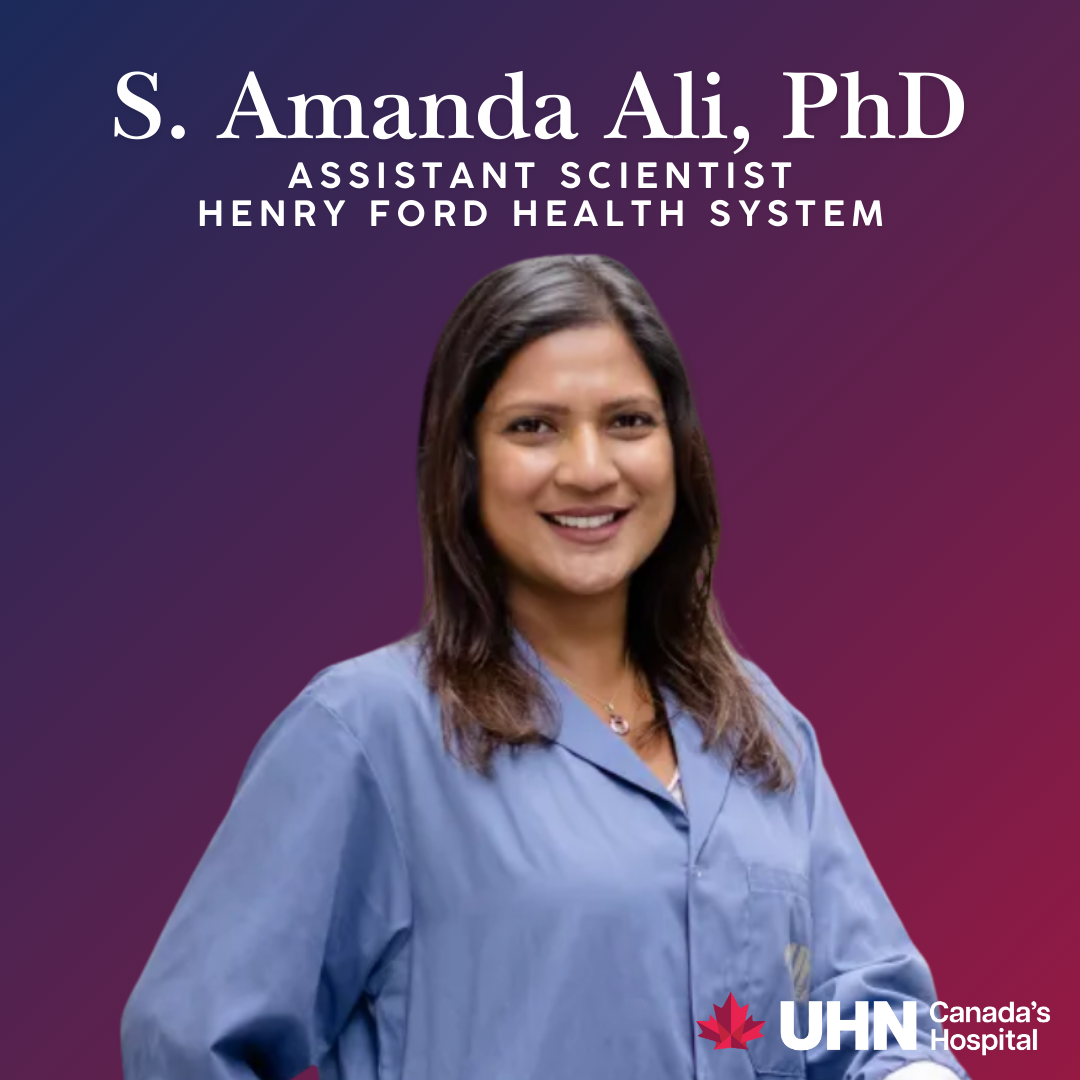
Dr. S. Amanda Ali is an Assistant Scientist at the Henry Ford Health System and an Assistant Professor at Michigan State University. Dr. Ali is also a former Postdoctoral Researcher at the Schroeder Arthritis Institute, UHN.
The most impactful advice Dr. Ali received while pursuing a faculty position was to shift her research narrative from “what I did” to “why it matters” – emphasizing what she can contribute rather than simply what she has done.
To learn more about Dr. Amanda Ali and her journey towards becoming and Assistant Scientist/Professor, you can read our alumni spotlight, written by Crizza Ching, ORT Communications Assistant and Graduate Student.
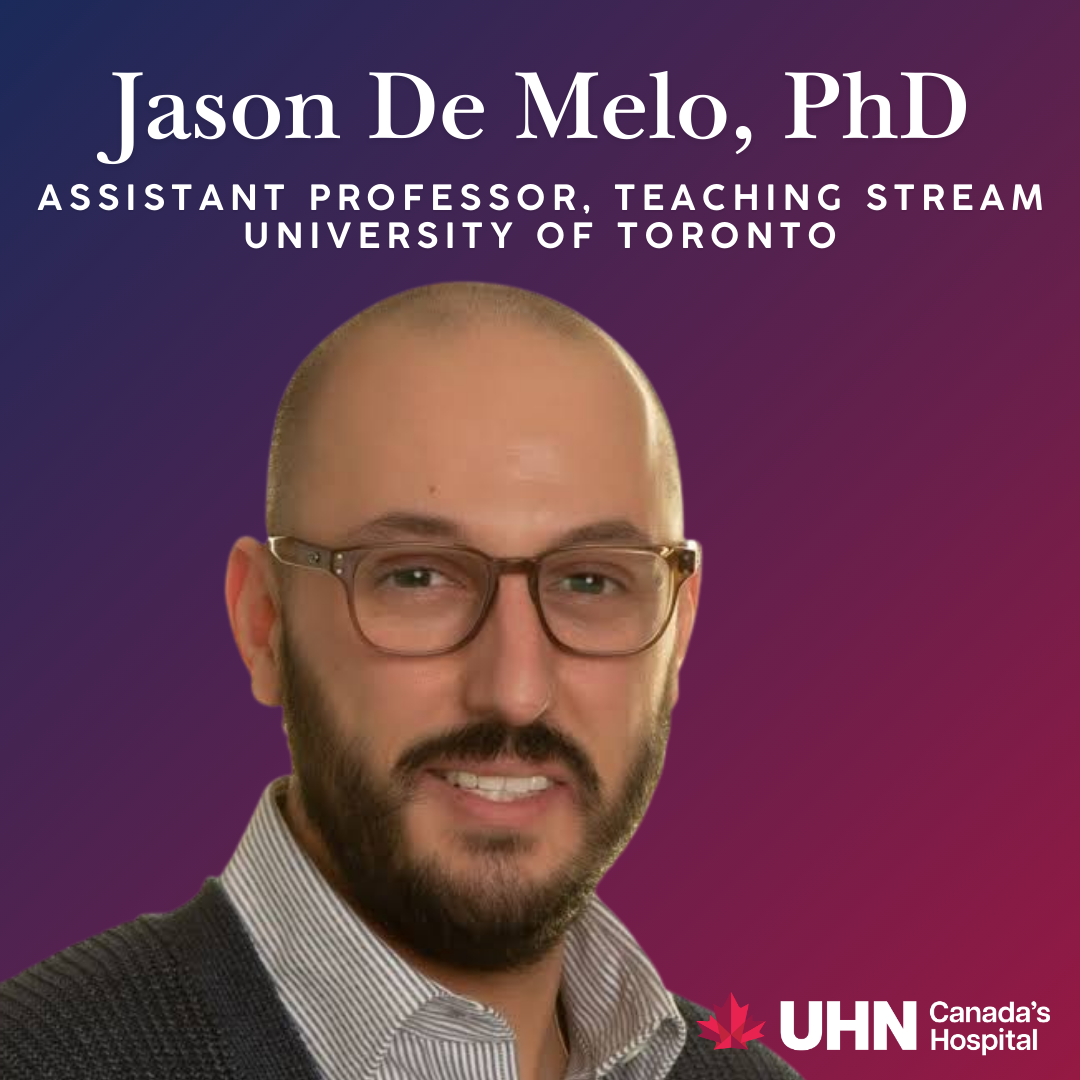
Dr. Jason De Melo is an Assistant Professor, Teaching Stream in the Department of Biochemistry, University of Toronto, and a former Postdoctoral Researcher at the Princess Margaret Cancer Centre. During his time at UHN, Dr. De Melo developed and taught a laboratory course on CRISPR gene editing, taught research methodology at the Unviersity of Toronto, and led the development of a new training program for graduate students and postdoctoral researchers at UHN.
A top piece of advice was to network with the other in the labs next door. These connections led to teaching faculty opportunities later on!
To learn more about the experiences and advice from Dr. Jason De Melo and several other academic professionals, check out our “Career Pathways in Academia” panel from October 29, 2025.
Disclosure: This resource is provided for informational purposes only. All efforts have been made to ensure the accuracy and clarity of the content; however, specific details, requirements, and expectations may vary across institutions and positions. Readers should always consult individual job postings or official organizational resources for the most current and authoritative information.